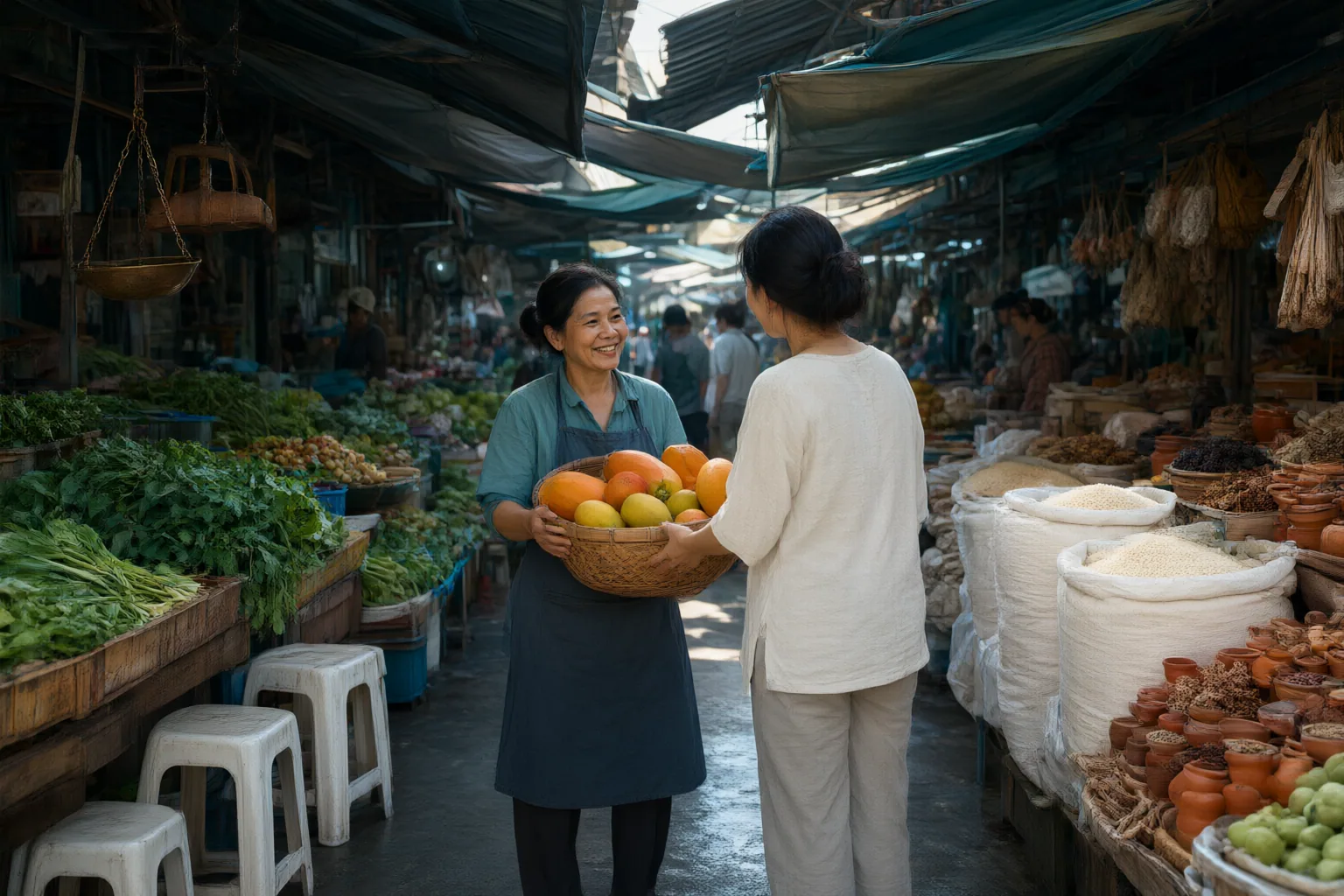
Choose a Vietnamese public market by matching its operating rhythm and food focus to the experience you want. Visit a traditional wet market for early-day grocery activity and possible breakfast foods, or consider a night market for prepared snacks, browsing, and an evening social atmosphere. In either case, check practical conditions before you go.
Start With the Experience You Want
A useful first step is deciding whether you primarily want to eat, observe everyday food shopping, browse, or combine all three. Vietnamese public markets can bring together prepared dishes, fresh ingredients, commercial activity, and recurring social exchanges between vendors and customers. That combination can offer both a meal and a view of local routines, but individual markets differ substantially.
Assess a potential market using six questions:
- Is it a traditional wet market, a night market, or another market format?
- At what time does its main activity occur?
- Are prepared-food stalls part of the market, or does it mainly sell raw ingredients and other goods?
- Will its aisles and general layout be manageable for your group?
- What payment practices should you expect?
- Does it chiefly serve everyday local shopping, or is it more oriented toward tourists and souvenirs?
A famous or conveniently located market may not necessarily deliver the food experience you expect. Someone interested in daily grocery trade may prefer a different place from a visitor who wants an easy evening of snacks and browsing. Families and travelers who are sensitive to crowds, heat, traffic, or strong sensory input should also consider the likely pace and physical setting.
Wet Market or Night Market?
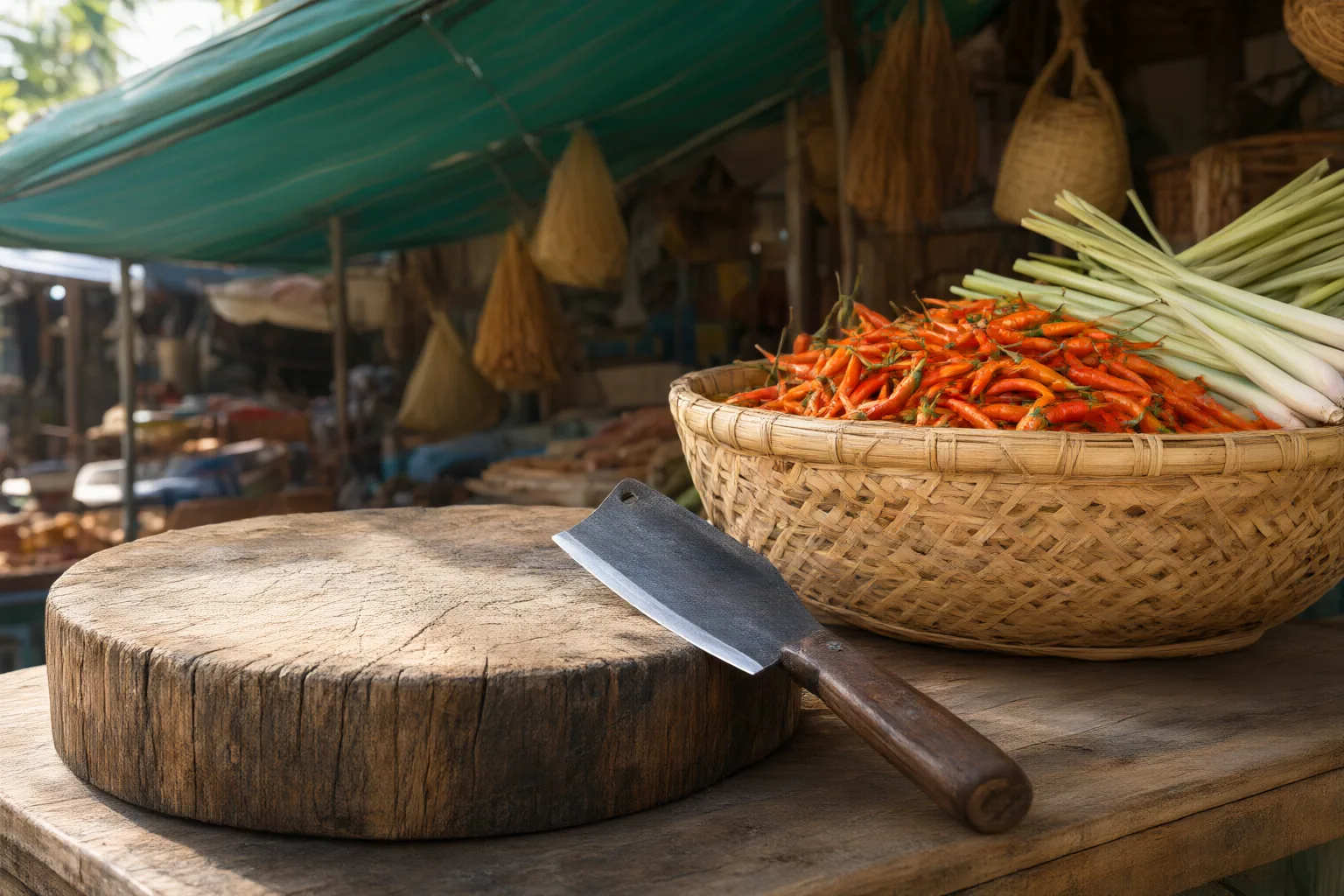
Traditional wet markets generally become active early in the day and commonly sell fresh produce, meat, and seafood. They are closely associated with routine food shopping, so they may suit visitors who want to see ingredients being traded and observe a morning market rhythm. Prepared-food stalls are also found in many Vietnamese markets, which can make it possible to eat a dish or snack without purchasing raw ingredients.
Night markets usually place greater emphasis on prepared food, snacks, clothing, souvenirs, and evening browsing. Their appeal is often the combination of eating, strolling, and social atmosphere rather than household grocery shopping alone. This format may be more suitable if your priority is tasting convenient ready-to-eat items during an evening outing.
Neither label guarantees a particular selection or atmosphere. A wet market may include ready-to-eat food, while a night market may devote substantial space to non-food merchandise or tourism-oriented shopping. Stall availability and conditions can also vary by place, day, and time. Instead of choosing from the name alone, determine when the market is most active and whether its actual mix of food and commerce fits your priorities. If breakfast, ingredients, and everyday trade matter most, begin with a morning-oriented market. If snacks and a relaxed evening walk matter more, investigate a night market.
Plan a Comfortable and Respectful First Visit
Preparation can make a busy market easier to navigate. Crowds, traffic, heat, strong sensory input, narrow or active aisles, and potentially slippery wet-market floors may all affect the visit. Wear footwear suited to the setting, allow enough time to move without rushing, and avoid stopping where you would obstruct vendors or regular shoppers.
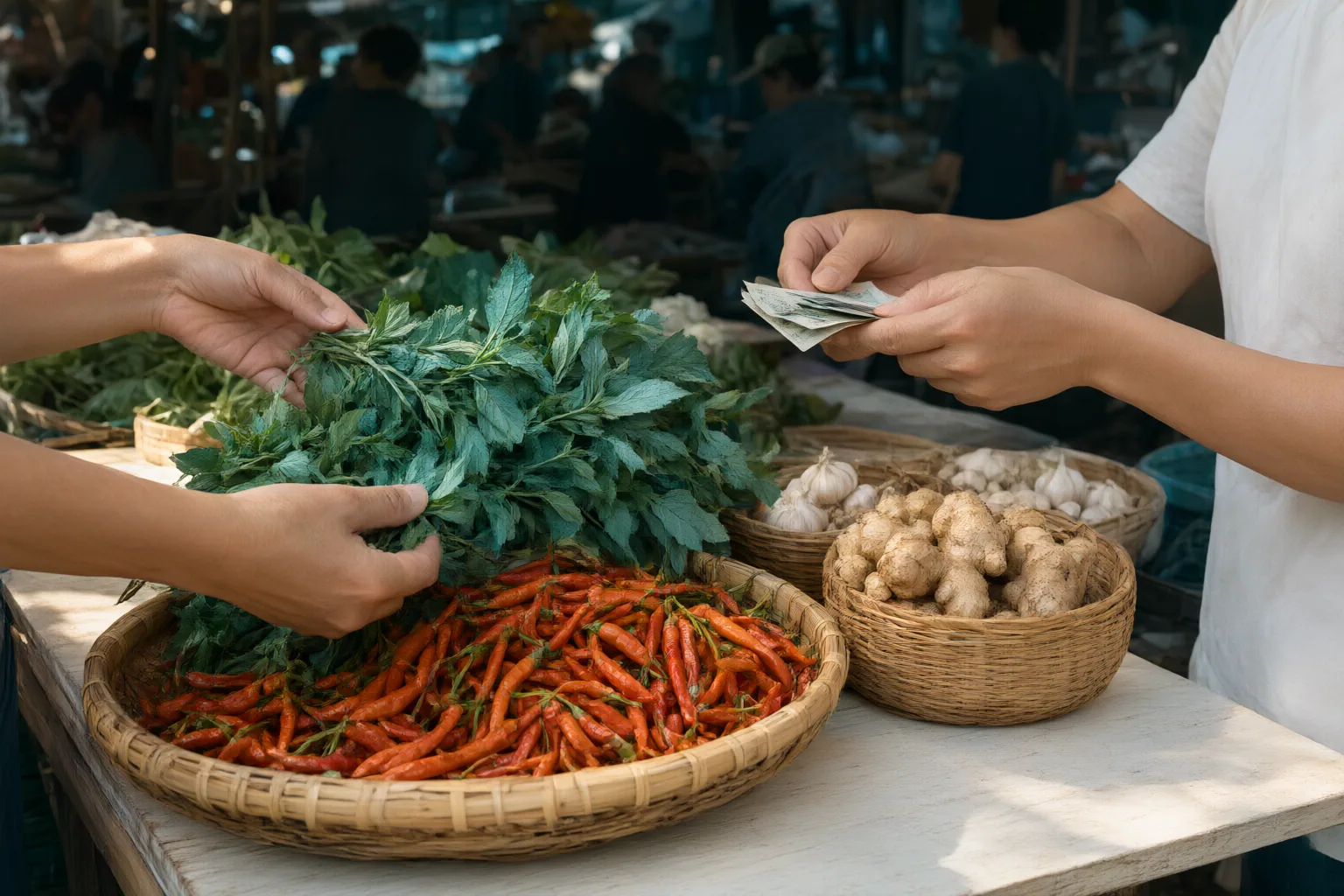
Carry small-denomination cash, while remembering that payment practices may differ between markets and vendors. Bargaining is described as common in traditional and night markets, particularly for non-food goods. When it is appropriate, keep the exchange polite rather than treating it as a confrontation. Do not assume that every purchase requires bargaining.
Photography also calls for consideration. Ask before taking close-up photographs, especially when a vendor or customer is the main subject. Markets are working community spaces, not simply visitor attractions, and recurring relationships between sellers and shoppers are part of their everyday function.
For a manageable first visit, choose timing and pacing that fit your group. Pay attention to the flow of people, step aside before making decisions, and give active transactions room. Because conditions differ across locations and times, verify current practical details instead of relying on broad expectations about all Vietnamese markets.
Conclusion
Choose according to four essentials: format, timing, food focus, and atmosphere. A morning wet market is the stronger starting point when fresh ingredients, daily shopping, and early activity are central to your interest. A night market may be a better match when you want prepared snacks, browsing, and an evening social setting.
Before deciding, check whether the market offers ready-to-eat food and whether it primarily supports everyday local trade, tourism-oriented shopping, or a mixture of both. Consider crowd levels, ease of movement, footwear, cash needs, bargaining expectations, and photography etiquette as part of the choice—not merely as details to address after arrival.
Once you have selected the type of experience you want, verify the market’s current hours, prepared-food availability, payment practices, and local conditions before setting out.
Disclosures and limitations
- This article was prepared with AI assistance from the supplied travel, cultural, and advocacy research sources; market-specific hours, stalls, payment options, and conditions should be independently verified before a visit.
Related reading
- Destinations for Curious Trips and Meaningful Stops
- An Giang Travel Guide: Mainland Places, Local Food, and Trip Planning
- What “Biển Đông” Means When Planning a Vietnam Coastal Trip
Sources
- Vietnam's food markets: how to visit, eat and shop like a local — vietnamtourism.com
- A New National Policy Supporting Public Markets in Vietnam: From Vision to Reality — pps.org
- Vietnamese Market Culture | Vietnamese Notes — vietnamesenotes.app
- Top 18 Must-Visit Markets in Vietnam for Authentic Souvenirs and Street Food — MOTOGO Tours
- Top 10 best markets in Vietnam 2026 | localvietnam — Local Vietnam
- Vietnam Market Culture: How to Visit Local Markets Respectfully — Vietnam Booking Center