
For a Vietnamese island trip, compare the entire journey rather than the sea crossing alone. Ferries generally favor space, stability, and lower cost, while speedboats favor a shorter crossing but may offer a bumpier ride, less room, and a higher fare. Confirm every route-specific detail with the relevant operator before booking.
Start With the Complete Island Journey
A useful comparison begins with three parts: reaching the departure port, completing the sea crossing, and traveling from the arrival port to the final destination. A faster vessel does not necessarily produce the simplest overall itinerary if its port requires a longer road journey or its departure leaves an awkward wait for onward transport.
Write down the timing and likely transfer needs for each stage. This makes it easier to compare realistic door-to-destination journeys instead of judging options only by advertised crossing time. Leave enough room between separate road and sea connections, but verify the actual transfer times because the supplied research does not establish them for individual routes.
Departure choice matters as well. The Vietnam ferry guide recommends booking ahead to secure a preferred time and notes that busy routes can offer several crossings per day. That is general planning guidance, not confirmation of a current timetable. Check the relevant operator’s latest schedule and availability before committing to connecting transport or accommodation.
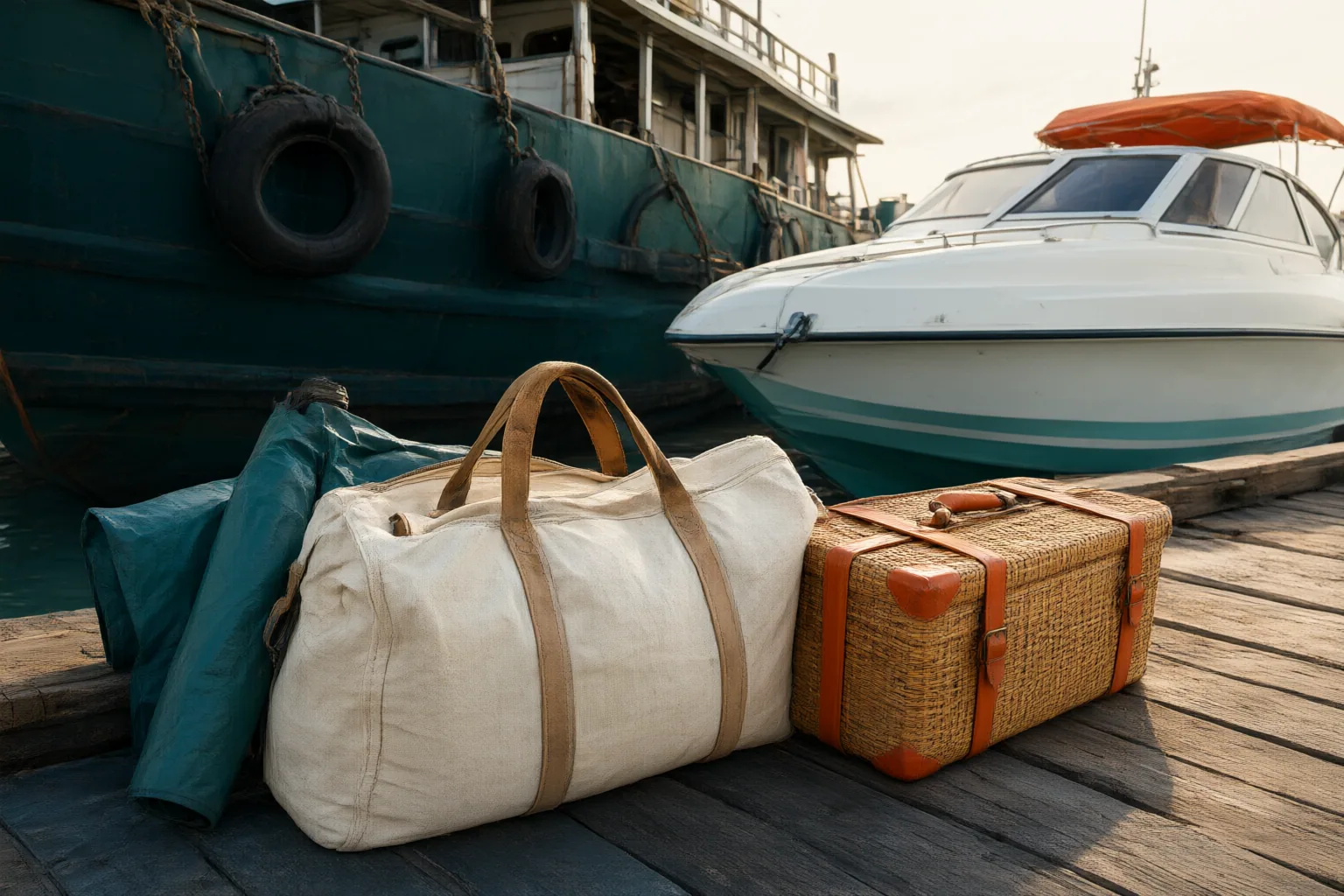
Ferry vs Speedboat: Comfort, Space, Time, and Cost
The Vietnam ferry guide describes ferries as larger, roomier, more stable, and generally cheaper than speedboats. Those characteristics may make a ferry the stronger option for travelers who value personal space, want a steadier ride, or are carrying luggage. Families and people concerned about discomfort on rough water may also place greater weight on stability than on saving time during the crossing.
Speedboats are described as smaller and faster. Their shorter crossing can be valuable when sea time is the main constraint, but the tradeoffs may include a bumpier ride, tighter space, and a slightly higher price. Limited room can matter when luggage is part of the journey, so vessel speed should not be treated as the only measure of convenience.
These are general characteristics rather than guarantees for every Vietnamese service. Vessel type, conditions, fare, and space can differ by route or departure. Compare the specific options offered for the intended travel date, and avoid assuming that every ferry will be cheaper or that every speedboat will deliver the best total journey. The practical decision is whether the speedboat’s shorter crossing is worth its possible comfort, space, and cost compromises.
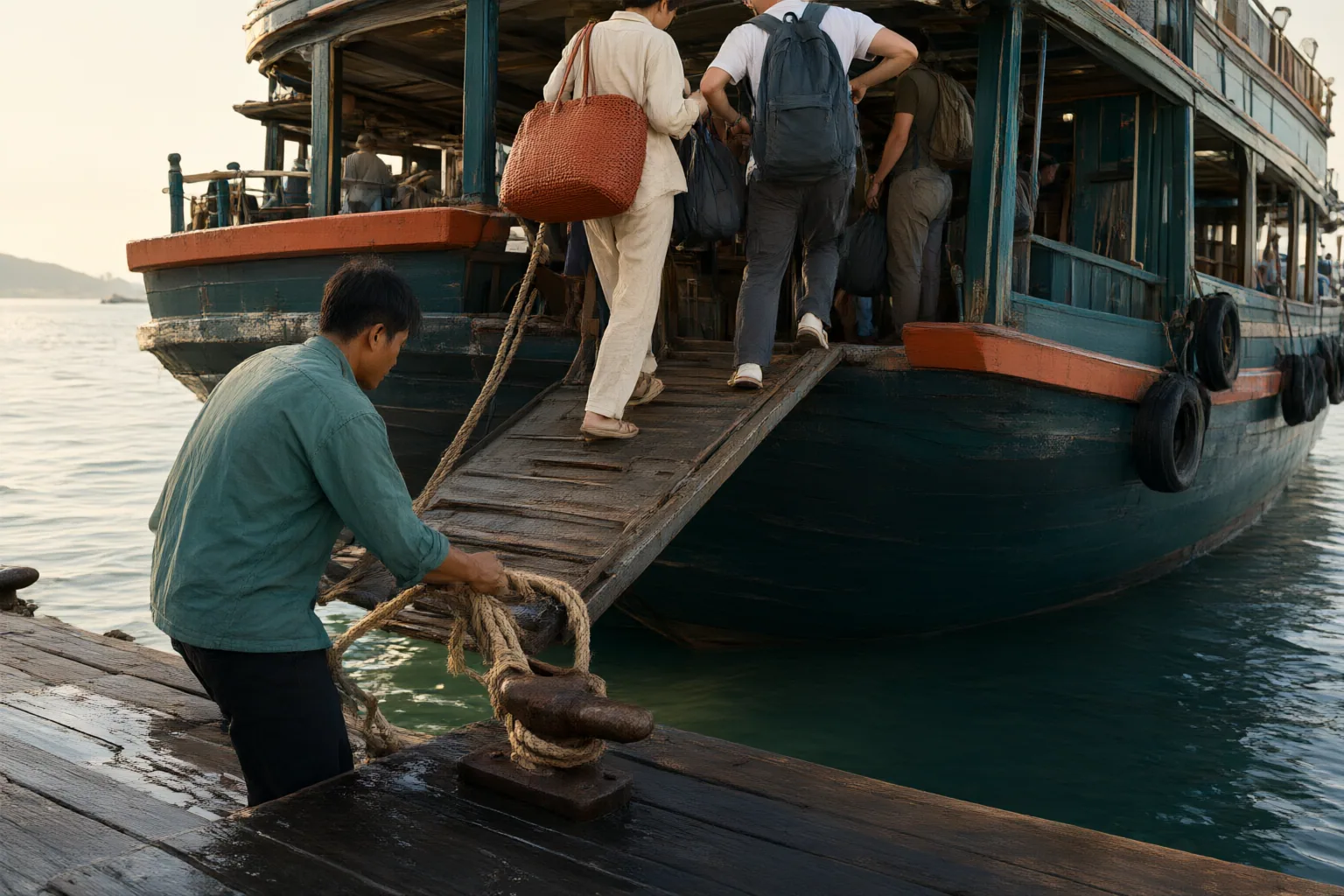
Use a Practical Booking Checklist
For each available connection, record the departure time, fare, availability, vessel type, ticket-delivery method, and assistance offered if the schedule changes. Add the transport required on both sides of the crossing. Placing these details together exposes differences that a headline fare or crossing duration can conceal.
Before paying, check:
- How early you must reach the departure port and how you will get there.
- Whether the arrival time works with the onward transfer to your destination.
- The current fare and availability for the intended date and departure.
- The vessel’s relevant space, stability, and ride characteristics.
- How the ticket is delivered and what must be presented for travel.
- What help, rebooking options, or other terms apply after a schedule change.
- The operator’s current baggage rules and disruption policy.
The booking-workflow source describes a Maldives service that compares schedules and prices while advertising live availability, instant confirmation, electronic tickets, and support for schedule changes. Those features form a useful general comparison framework, but the source does not show that they are offered on Vietnamese routes. Verify each feature directly with the relevant Vietnamese operator instead of expecting the same booking experience.
Conclusion
Favor a ferry when room, stated stability, and general affordability matter more than minimizing the crossing time. Consider a speedboat when a shorter crossing is the priority and possible tradeoffs in ride comfort, luggage space, and price are acceptable. In either case, judge the complete connection from the starting point to the final destination.
The supplied sources do not verify current Vietnamese schedules, fares, baggage allowances, cancellation terms, transfer durations, or disruption policies. Before booking, compare the complete door-to-destination journey and confirm those details directly with the relevant operator.
Disclosures and limitations
- This article was prepared with AI assistance from the supplied research package. Only one cited source directly addresses Vietnam; the Maldives source is used solely for a clearly qualified booking-comparison framework.
- No product records or operator-specific commercial recommendations were supplied. Readers should verify current route details and any commercial or affiliate relationship shown at the point of booking.
Related reading
- Destinations for Curious Trips and Meaningful Stops
- How to Choose a Vietnamese Public Market for Your First Local Food Experience
Sources
- The Ferryscanner Vietnam-by-ferry guide 2026 is out! | Ferryscanner — ferryscanner.com
- Book Maldives Transfers & Speedboat Ferries — IsleTransfer