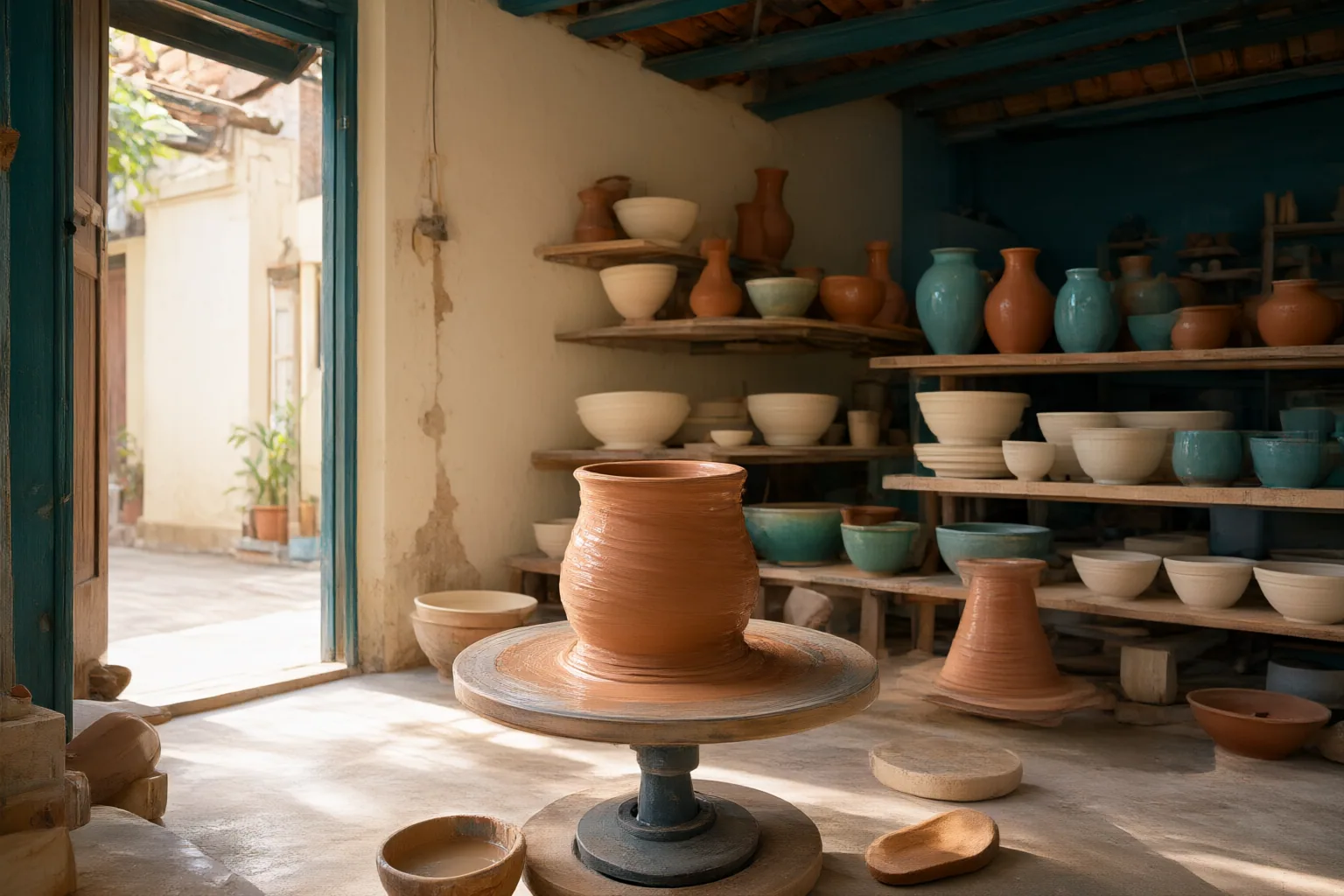
Choose a Vietnamese pottery workshop by confirming what you will personally make, who will guide you, which tools and materials are included, how the operator connects to ceramic production, and what happens to your piece after the session. Get these details in writing before booking because the available sources do not establish standard terms across Vietnam.
Start With What You Will Actually Make
A genuinely hands-on experience should describe the participant’s role in specific terms. Ask what object you will shape, which technique you will use, how much of the session is devoted to making, and whether a ceramist supervises the work. A published workshop listing outside Vietnam provides a useful example of the detail to request: it describes a two-hour hand-building session using supplied materials and tools, with supervision and a usable object as the intended outcome. That listing does not establish what any Vietnamese workshop offers, but it shows the difference between a defined activity and a vague invitation to “experience pottery.”
Also separate making from observing or shopping. A source about Huy Pottery Workshop in Bat Trang identifies production stages including forming, refining, drying, and firing. This production context can help travelers ask better questions, but it does not prove that visitors may participate. Before booking, request a step-by-step description of what guests do themselves and which stages remain demonstrations or staff work.
Compare Instruction, Materials, and Workshop Identity
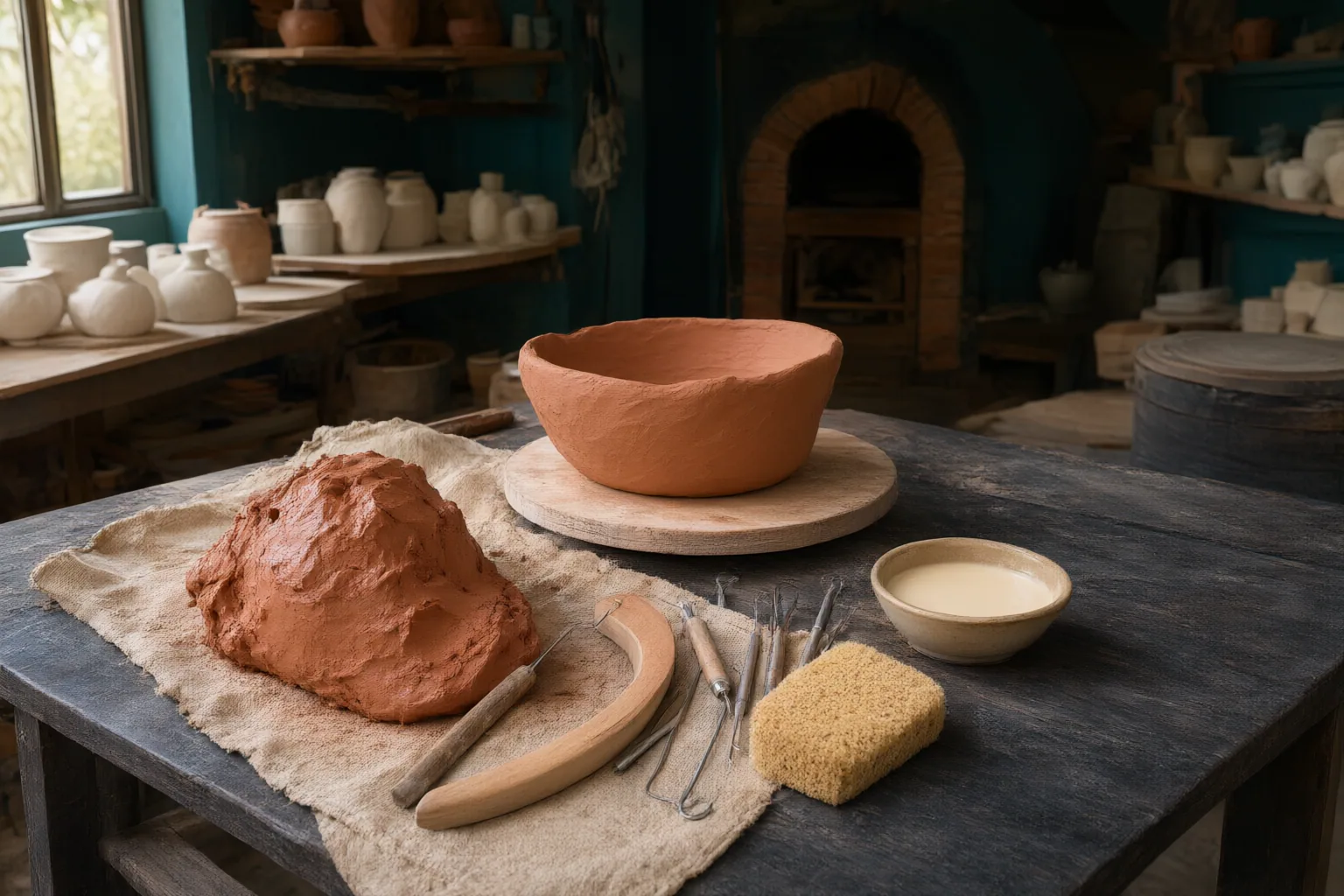
Confirm who provides instruction and what that guidance includes. Useful booking information should state whether a ceramist demonstrates the process, supervises participants, and helps them complete the planned object. It should also identify the included clay, tools, and other materials rather than leaving travelers to infer what is supplied. The cited hand-building listing includes materials, tools, and ceramist supervision, but because that session is not in Vietnam, treat those details as comparison criteria rather than a promise of local availability.
Next, verify the operator’s identity. Look for a named workshop and a clear explanation of its relationship to ceramic production. The Bat Trang source names Huy Pottery Workshop and describes a sequence from forming through firing, which supports its identity as a production workshop. However, evidence that a workshop makes ceramics is not evidence that it accepts travelers for hands-on sessions. Ask the operator to confirm that visitor participation is available and to distinguish the instructor, production workshop, booking intermediary, and retail outlet when those roles differ.
Check Finishing, Collection, and Shipping Before Booking
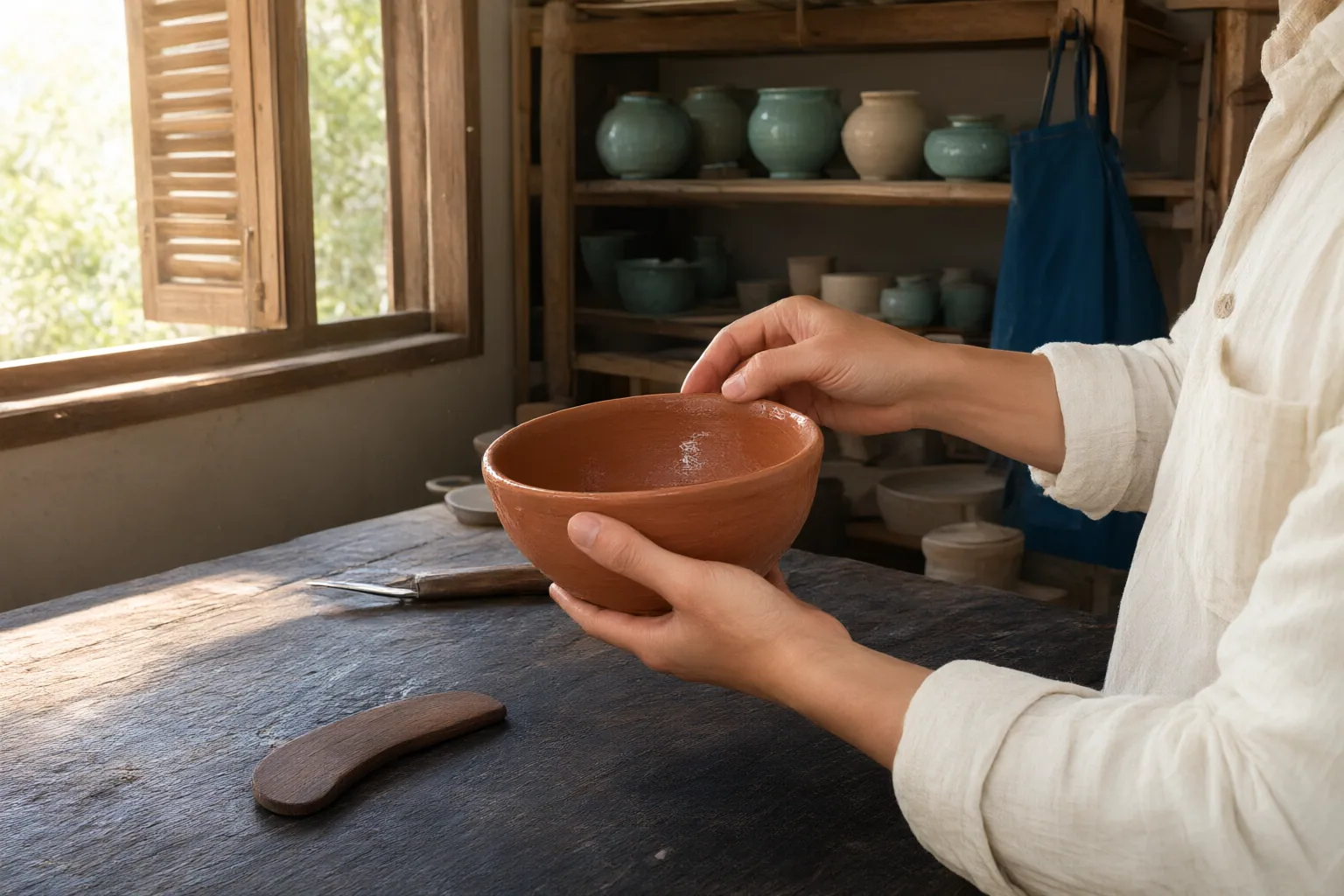
Making the object may be only the first part of the process. Ask whether the piece will be dried, refined, fired, or glazed after the session, who performs each step, and whether those services are included. Then confirm the expected readiness date and whether you must collect the piece or can request shipment. One non-Vietnam workshop listing says firing and glazing are included, while collection or shipment occurs after the finished object is ready; shipping costs extra. These are useful questions to raise, not terms that can be assumed at a Vietnamese workshop.
Set expectations for the finished result as well. The Bat Trang production source says handmade pieces can show small differences in surface, form, and finish, while also describing cleaning, refining, and review before selection. Ask how a visitor-made piece will be handled and whether the operator applies any review before firing or release. The supplied evidence does not establish standard Vietnamese prices, schedules, booking conditions, or shipping arrangements, so obtain the applicable terms directly from the operator before committing.
Conclusion
Use a short written checklist before choosing a Vietnamese pottery workshop. Confirm the object and technique, the stages you will perform, the amount of guidance, and the tools and materials included. Verify the name of the workshop and how it connects to actual ceramic production, while remembering that production credentials alone do not establish a visitor program. Finally, ask about drying, refining, firing, glazing, readiness, collection, shipping availability, and any separate shipping charge.
Do not rely on broad labels such as “handmade” or “pottery experience.” Ask the operator to confirm in writing what you will make yourself, who will instruct you, what the booking includes, how your piece will be finished, and exactly when and how you can receive it.
Disclosures and limitations
- This article was prepared with AI assistance from the supplied browser-acquired sources and their stated limitations; workshop-specific terms in Vietnam should be confirmed with the operator.
- No specific workshop is recommended here. If a booking page contains affiliate links, readers should verify terms independently because commercial relationships can influence how options are presented.
Related reading
- Destinations for Curious Trips and Meaningful Stops
- Ho Chi Minh City Weather: How to Verify Conditions Before Planning Your Visit
- How to Choose a Mineral Spring or Public Bathing Experience in Vietnam
Sources
- Ceramic and Pottery Creative Workshop with Two Local Artists — Booking.com
- Huy Pottery Workshop | The Maker Behind The Viet Potter — The Viet Potter