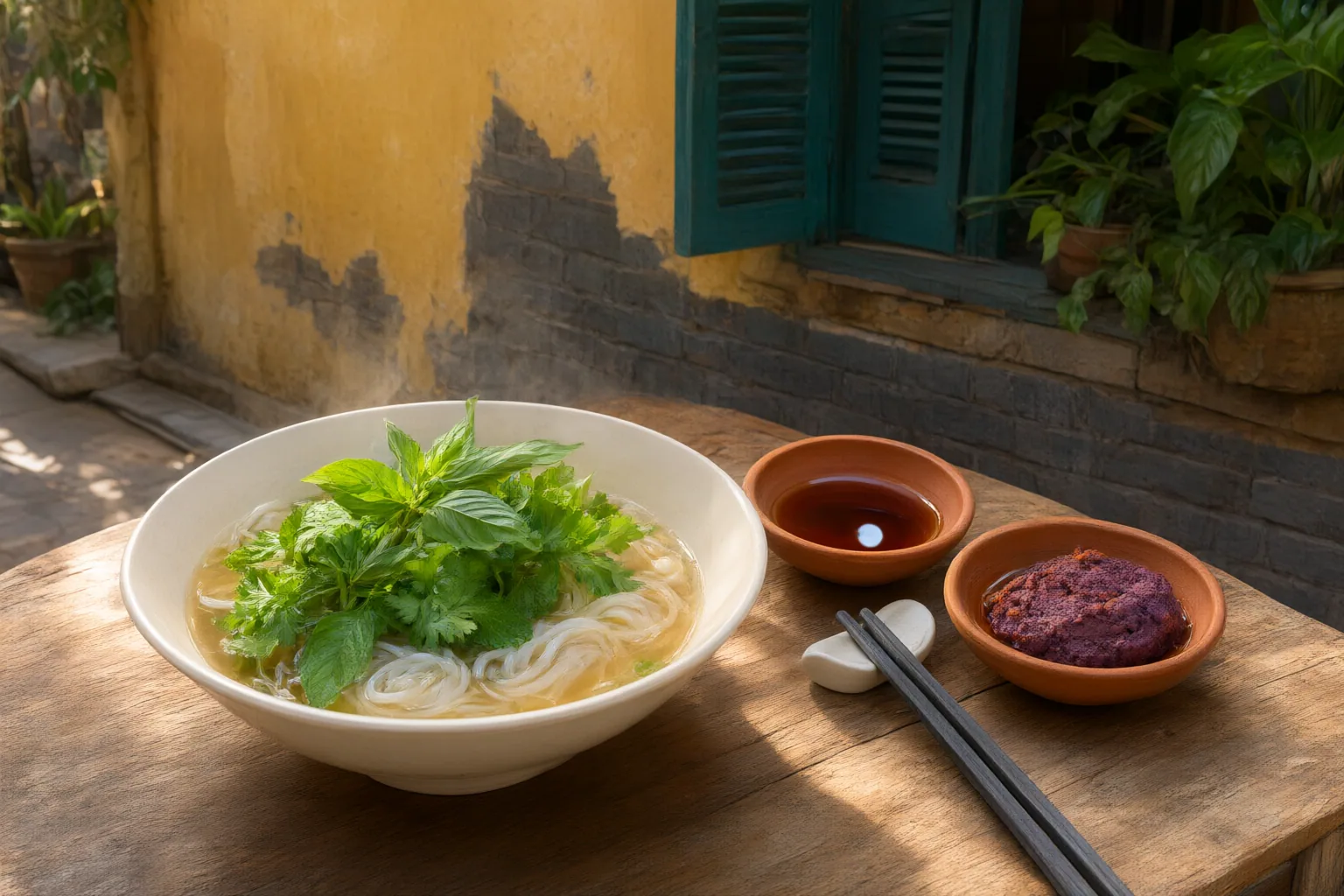
A meat-free appearance or a vegetarian label does not reveal every ingredient in a Vietnamese dish. Check restaurant-provided information, ask specifically about fish sauce, shrimp paste, oyster sauce, and other animal-derived seasonings, and request uncertain sauces or dips on the side when possible.
Why a Meat-Free Appearance Is Not Enough
Fish sauce (nước mắm) and shrimp paste (mắm tôm) are fermented seafood seasonings used in mainstream Vietnamese cooking, according to Veggie Saigon. Because these ingredients can be blended into a sauce or seasoning, they may not remain visible in the finished dish. A plate without obvious pieces of meat or seafood therefore is not necessarily compatible with every vegetarian diet.
Oyster sauce presents a similar issue. Veggie Saigon identifies it as an animal-derived ingredient that may appear in stir-fried vegetables, braised tofu, noodle sauces, and dipping preparations. These examples show why travelers should consider how a dish is seasoned, not simply its principal ingredients. Tofu, noodles, or vegetables can form the visible base while an animal-derived condiment supplies part of the flavor.
The risk is especially relevant at restaurants that are not dedicated vegetarian establishments. Rather than judging a dish by appearance, begin by identifying every prepared component that could contain a mixed-in seasoning: the cooking sauce, dressing, gravy, dip, or finishing condiment.
Treat Menu Labels and Visual Clues as Starting Points
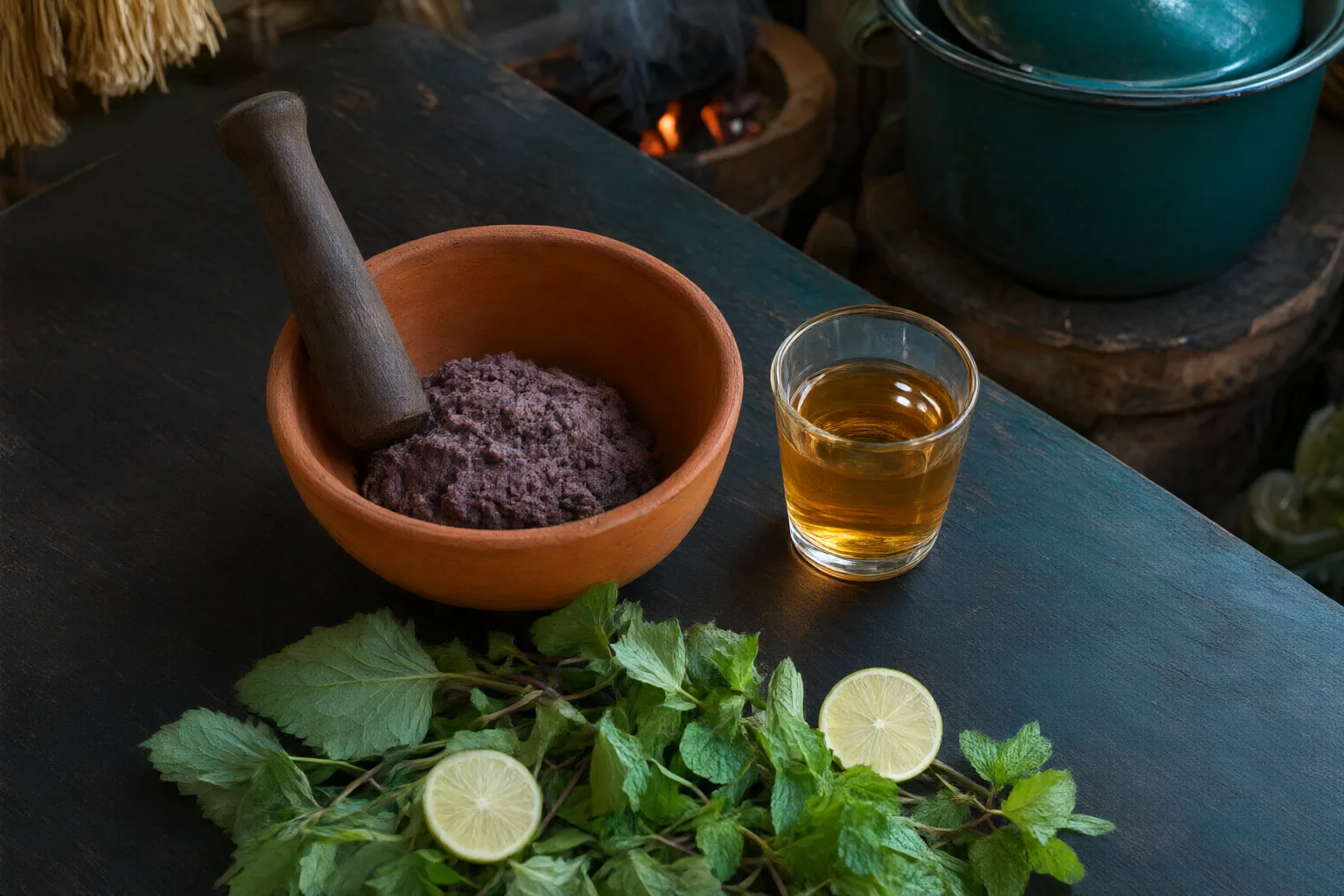
Dish names, photographs, and visible color or texture can help travelers decide what to investigate, but they cannot establish a complete recipe. The Trayly guidance emphasizes that sauces vary and that appearance provides only an initial clue. Two preparations with similar names or looks may not contain the same ingredients, so visual comparison cannot confirm whether a particular sauce is vegetarian.
A vegetarian or chay label also should be checked against your own exclusion standard. Veggie Saigon cautions that the meaning of such a label may not consistently resolve every ingredient a traveler wishes to avoid. A label can narrow the search, but it does not answer ingredient-specific questions about fish sauce, shrimp paste, or oyster sauce.
When a restaurant publishes its own ingredient or preparation information, prioritize that information over assumptions based on a generic dish description. Even then, use only what the restaurant actually confirms. If the recipe, seasoning base, or sauce remains unclear, record that uncertainty in your decision instead of treating a name or appearance as proof.
Questions to Ask Before You Order
Use a short, ingredient-specific sequence rather than asking only whether a dish is vegetarian. First, state the ingredients you avoid: fish sauce, shrimp paste, oyster sauce, and any other animal-derived components relevant to your diet. Then ask whether any of them are included in the cooking sauce, seasoning mixture, dressing, gravy, dip, or finishing condiment. This makes the question about the complete preparation rather than only the visible ingredients.
Next, separate confirmed information from assumptions. If staff can confirm the restaurant's recipe, use that answer. If preparation details are unavailable, do not infer them from the sauce's color, consistency, or name. The Trayly guidance recommends acknowledging uncertainty instead of assigning unsupported precision to an unknown sauce.
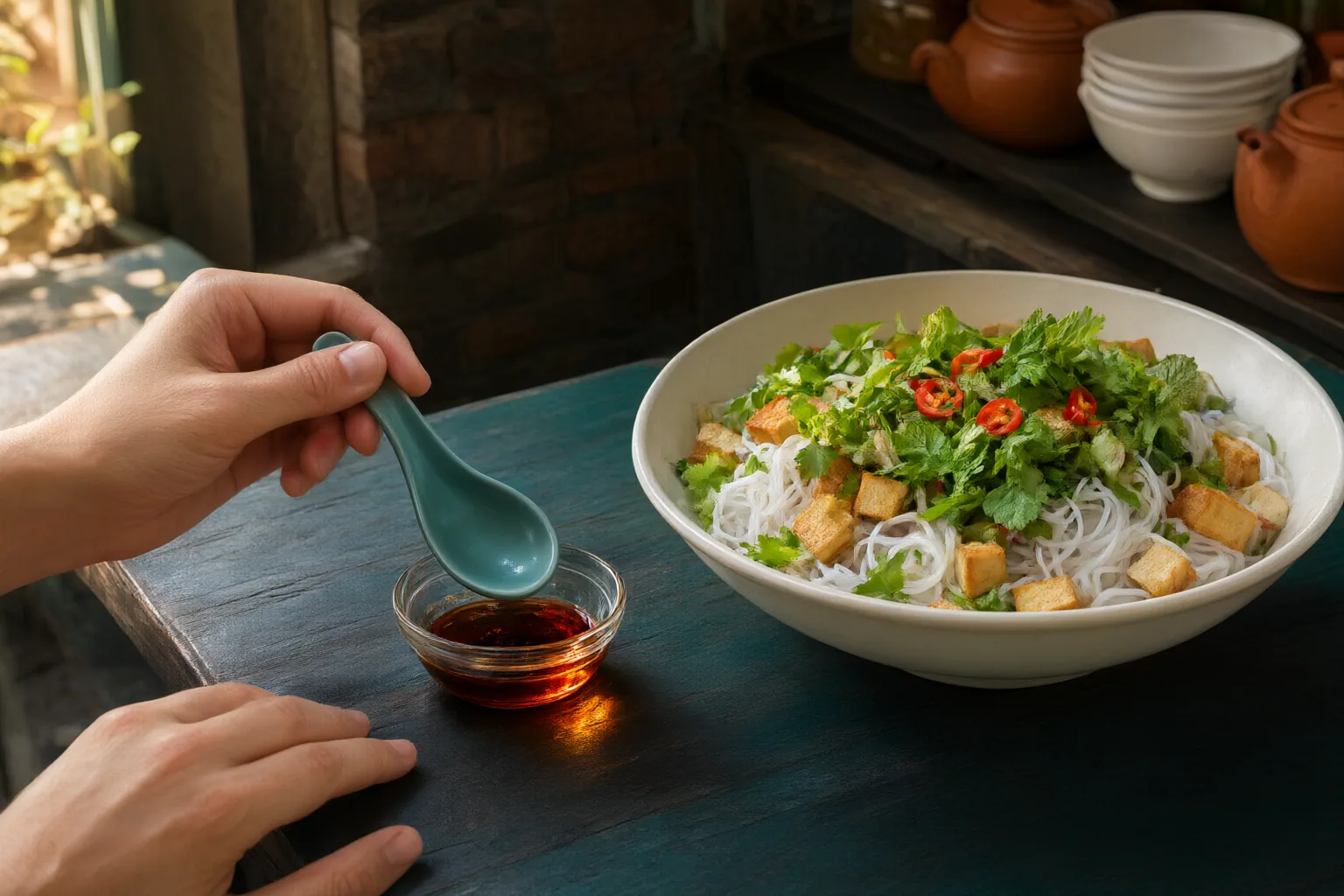
When the uncertain component does not have to be mixed into the dish, ask whether it can be served separately. Requesting a dressing, gravy, aioli, or dip on the side can provide greater control, although it does not clarify ingredients already incorporated during cooking.
Meat broth requires a direct question too, but the supplied evidence does not establish Vietnamese broth names, prevalence, or reliable detection methods. Do not rely on an unsupported visual rule. Ask whether meat broth or stock is used and treat an unconfirmed answer as unresolved.
Conclusion
The most dependable approach is a layered check: do not rely on a meat-free appearance, a single vegetarian or chay label, or visual inspection of a sauce. Review restaurant-provided information when it is available, name the animal-derived ingredients you avoid, and ask whether they appear anywhere in the seasoning or preparation.
If a sauce, dressing, gravy, or dip remains uncertain, request it separately when possible. At your next meal, use this checklist before ordering and choose a different preparation when an ingredient important to your diet cannot be confirmed.
Disclosures and limitations
- This article was prepared with AI assistance from the supplied Veggie Saigon and Trayly research. Claims are limited to those sources, and no products or affiliate offers are recommended.
Related reading
- Travel Ideas for Meaningful Trips
- How to Plan a Meaningful Museum Day in Vietnam Without Rushing
- What to Check Before Booking a Traditional Vietnamese Wellness Treatment