Before booking, ask exactly what the treatment involves, including touch, clothing, oils, ingredients, equipment, heat, pressure, and possible adjustments. Labels such as herbal bath, Vietnamese massage, bamboo massage, and thermal treatment describe substantially different experiences, while the available sources do not establish standardized safety, hygiene, credential, or therapeutic-benefit criteria.
Know What the Treatment Name Actually Means
A traditional Vietnamese wellness treatment might involve immersion, hands-on bodywork, heated equipment, or naturally warm water. The name alone is therefore not enough to predict the experience.
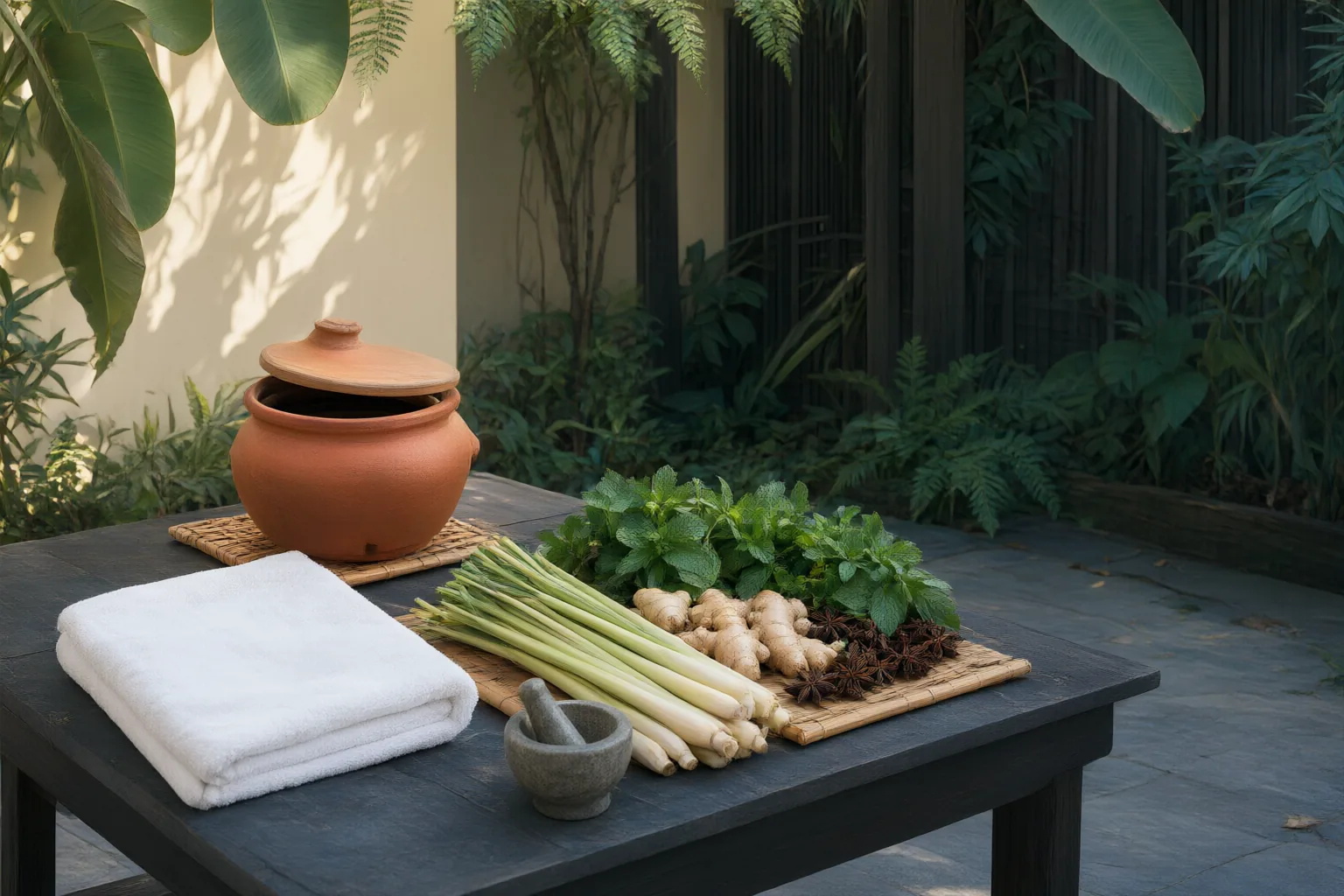
Vietnam Tourism describes a Red Dao herbal bath as a preparation of selected roots and leaves. The ingredients are chopped, dried, boiled for hours, poured into a Pơ mu wooden tub, and diluted with warm water. This is distinct from Vietnamese massage, which the same source says commonly uses oil, pressure on specific points, clapping, and stretches.
Bamboo massage has another format: young bamboo canes are dried, warmed, and rolled over the body, creating firm, warm pressure. A thermal-spring experience may instead center on bathing. The cited Hue-area venue routes naturally heated mineral water into several garden pools offered at different temperatures.
Before choosing, request a plain-language description of what happens from arrival to finish. Confirm whether the booking is primarily a bath, a massage, a bamboo treatment, a series of pools, or a combination. If herbs or equipment are involved, ask what will be used and how.
Confirm Touch, Clothing, Oil, Heat, and Intensity
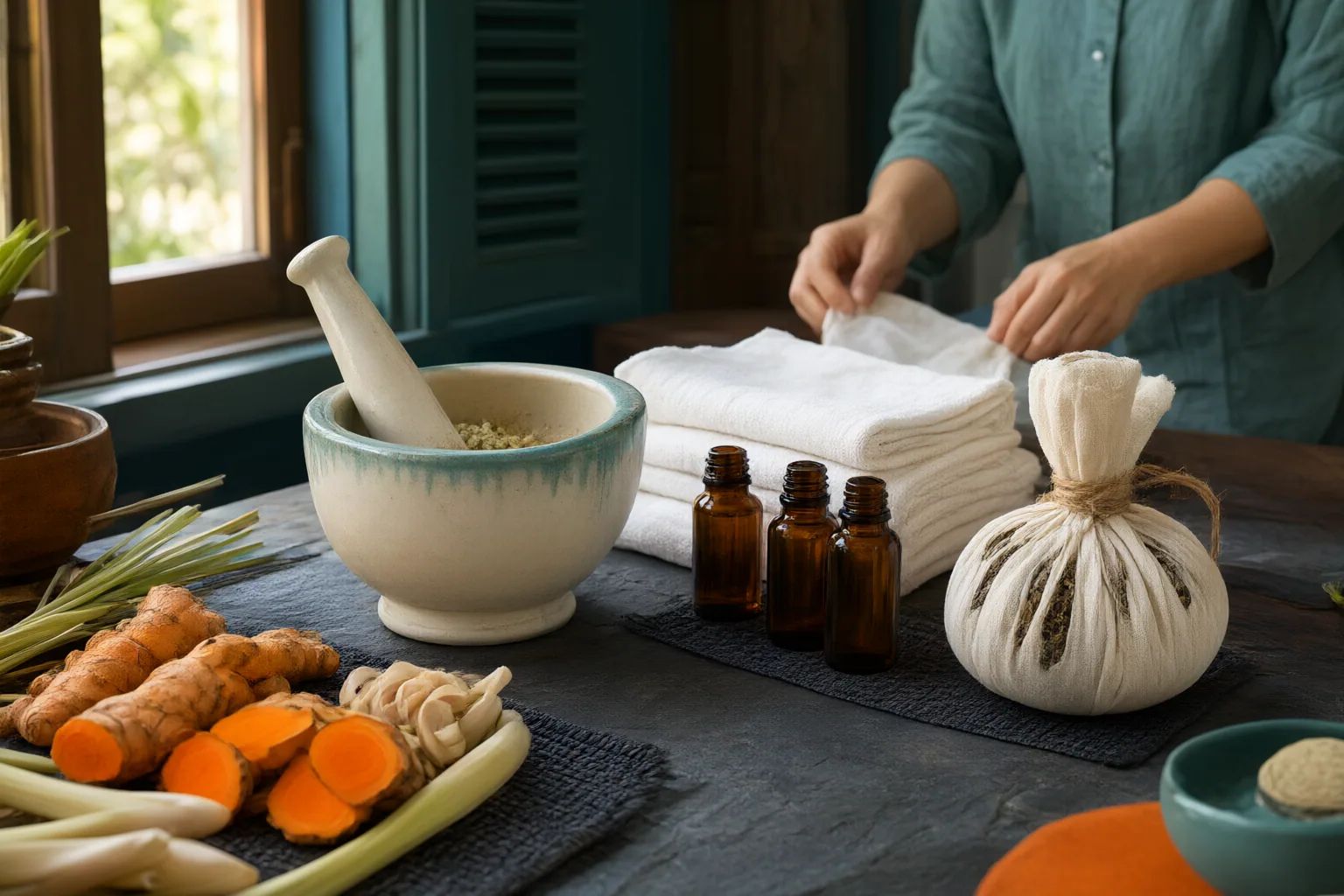
Do not assume that every treatment marketed as “traditional massage” follows a common regional method. Vietnam Tourism describes Vietnamese massage as usually oil-based, with pressure-point work, clapping, and stretches. By contrast, the cited overview of traditional Thai massage says recipients generally wear loose clothing, oils and lotions are usually absent, and the method uses compression, pulling, stretching, and rocking. That comparison illustrates why the exact technique matters; it does not establish the practices or quality of any Vietnamese provider.
Ask what clothing you will wear or remove, whether oil will be applied, which parts of the body are treated, and what kinds of touch or stretching occur. For bamboo massage, clarify where the warmed canes will be used and how firm the pressure is expected to be. For an herbal bath or thermal pool, ask about the expected temperature and whether a cooler option is available.
Also confirm whether pressure, stretching, heat, or session length can be adjusted during the treatment. The sources describe steaming baths, firm pressure from warmed bamboo, massage pressure and stretches, and pools at different temperatures, but they do not supply universal intensity or temperature standards.
Questions to Ask the Provider Before Booking
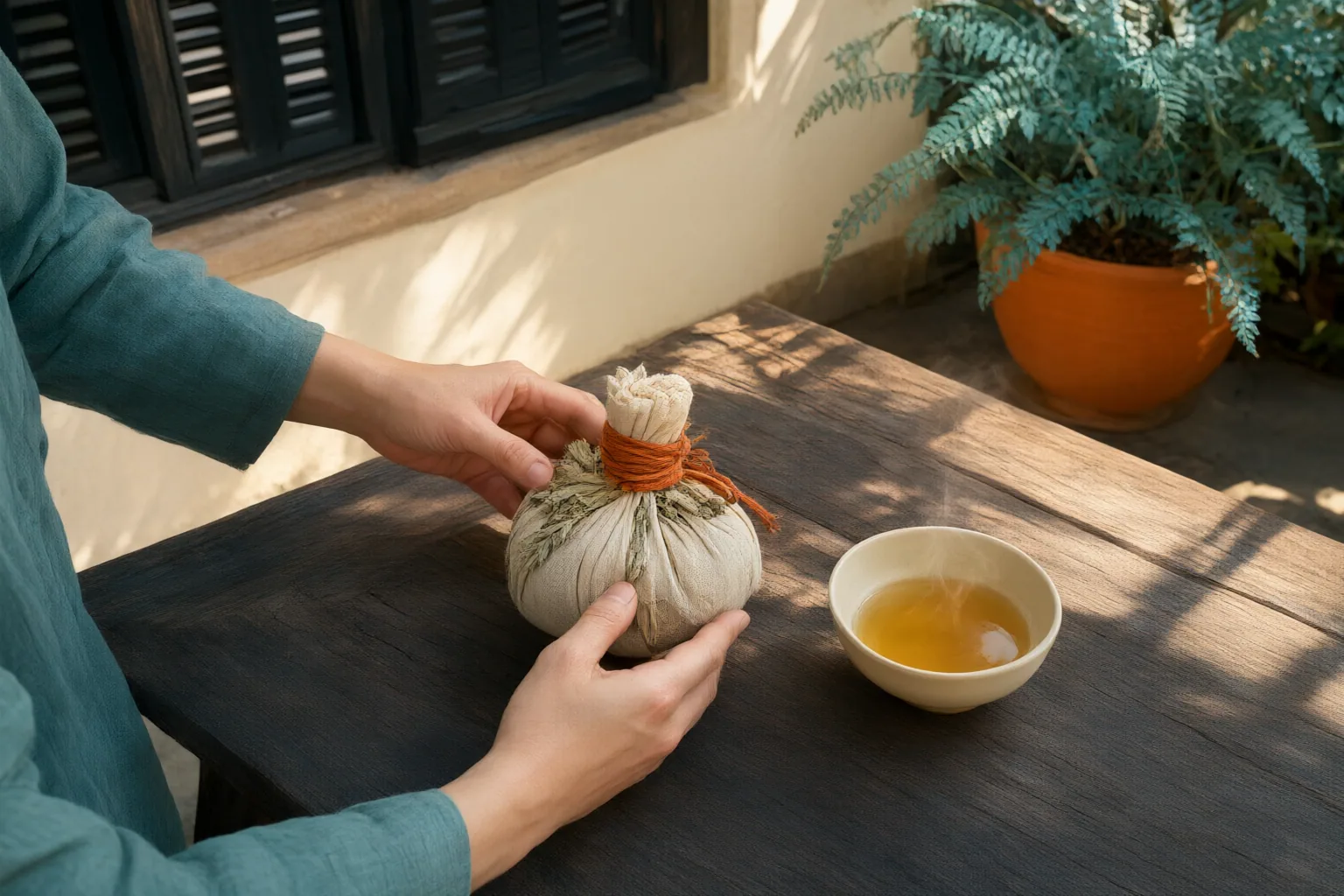
Use the provider’s answers—not the treatment label—as the basis for your decision. A practical pre-booking checklist should cover:
- What happens at each stage of the session?
- Will the treatment use oil, herbs, warmed bamboo, a wooden tub, thermal water, stretching, or pressure-point work?
- What clothing or changing arrangements are required?
- How are heat and pressure set, and can either be reduced or stopped?
- Is the experience private, shared, hands-on, self-guided, or spread across several pools?
- What hygiene procedures apply to tubs, pools, linens, oils, tools, and reusable equipment?
- What practitioner training or credentials can the provider explain?
- Does the provider conduct any screening before the session?
- What should a guest do if the treatment becomes uncomfortable?
The supplied sources do not provide standardized hygiene protocols, practitioner-credential requirements, contraindications, prices, or independent customer feedback. They also do not independently verify the promotional health benefits associated with these experiences. A UNESCO designation mentioned in the regional source applies specifically to traditional Thai massage; it is not certification of Vietnamese treatments, venues, or practitioners.
If safety or suitability is a concern, obtain provider-specific information and consult an appropriate healthcare professional. Do not treat a heritage claim, traditional label, or tourism description as a substitute for answers about the individual service you are considering.
Conclusion
Choosing a suitable wellness experience in Vietnam starts with understanding its actual method. An herbal soak, oil-based massage, warmed-bamboo treatment, and thermal-pool visit can differ in touch, clothing, ingredients, equipment, heat, pressure, and setting. Broad labels and regional heritage references cannot answer provider-specific questions about safety practices, screening, hygiene, or practitioner preparation.
Before paying or confirming, ask the provider for a step-by-step treatment description. Get clear answers about heat, pressure, adjustments, ingredients, equipment, session format, screening, hygiene, and practitioner credentials, then decide whether the experience matches your needs and comfort level.
Disclosures and limitations
- This article was prepared with AI assistance using only the supplied Vietnam Tourism material and a regional overview of traditional Thai massage; promotional therapeutic claims were not independently validated.
- No provider or product is recommended here, and no affiliate relationship is represented. Confirm current service details, prices, suitability, and policies directly with the provider.
Related reading
- Travel Ideas for Meaningful Trips
- Small-Group vs Private Boat Trips in Vietnam’s River Deltas: A Practical Comparison
- Sleeper Buses, Daytime Coaches, or Flights for Long Journeys Within Vietnam?
Sources
- Traditional Thai massage – Wikipedia — en.wikipedia.org
- Vietnam's must-try wellness treatments — Vietnam Tourism