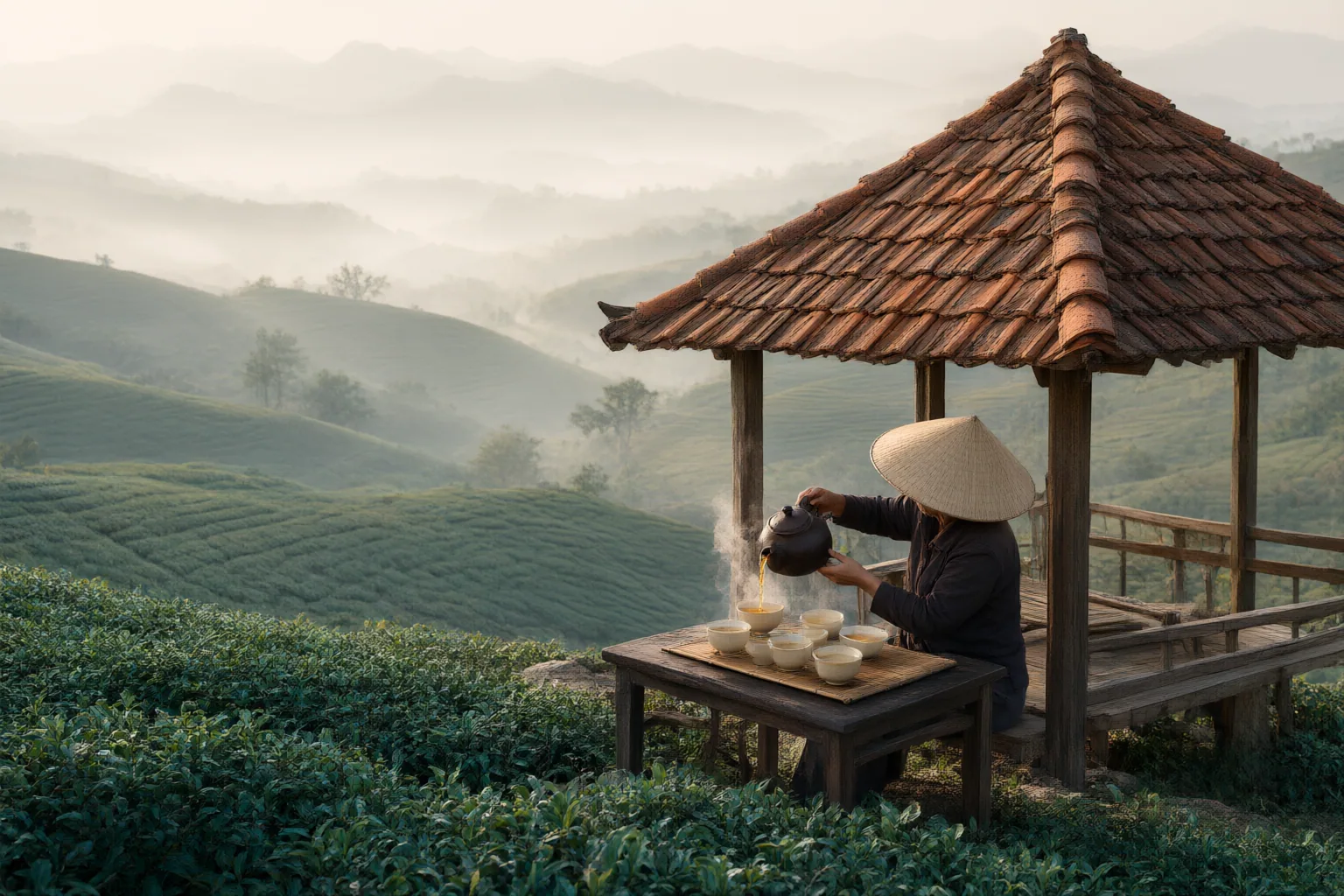
Choose a Vietnamese tea experience by deciding whether you value guided tasting, plantation scenery, production knowledge, grower interaction, or cultural context most. Then compare the region and tea styles offered, and confirm the current visit details directly with the host before traveling.
Start With the Experience You Actually Want
A “tea experience” can describe several materially different visits. A focused tasting is best suited to comparing flavors, tea styles, and brewing guidance. A plantation viewpoint emphasizes landscape, while a working garden may provide a closer look at cultivation or harvesting when those activities are taking place. Factory or processing demonstrations can explain how leaves become finished tea, and producer or cooperative visits may create opportunities to interact with growers.
Do not assume that one booking includes every element. A scenic stop may offer little production instruction, while a working site may prioritize agricultural operations rather than visitor interpretation. Tea also has a place in everyday Vietnamese hospitality and social life, so a culturally oriented experience may focus as much on how tea is shared as on cultivation or processing.
Before comparing options, rank your priorities: tasting several styles, seeing plantation landscapes, understanding cultivation, following processing stages, meeting growers, or exploring tea culture. Families and independent travelers should also consider how much structure and interpretation they want. Once the desired format is clear, it becomes easier to ask whether a particular visit actually delivers it.
Compare Regions and Tea Styles
Thai Nguyen, Moc Chau, and Lam Dong are all identified as notable tea-growing regions, but the sources associate them with different combinations of tea, scenery, and visitor activity. Thai Nguyen is presented as an accessible destination with a strong green-tea emphasis. Moc Chau stands out for plantation landscapes and exposure to multiple processing styles. Lam Dong is associated with a broader range of teas alongside other forms of highland agriculture.
Treat these descriptions as comparison points, not guarantees about an individual venue. In Moc Chau especially, establish whether the proposed stop is a viewpoint, working garden, factory, or tasting room. Each format offers a different experience, and not every farm necessarily receives visitors.
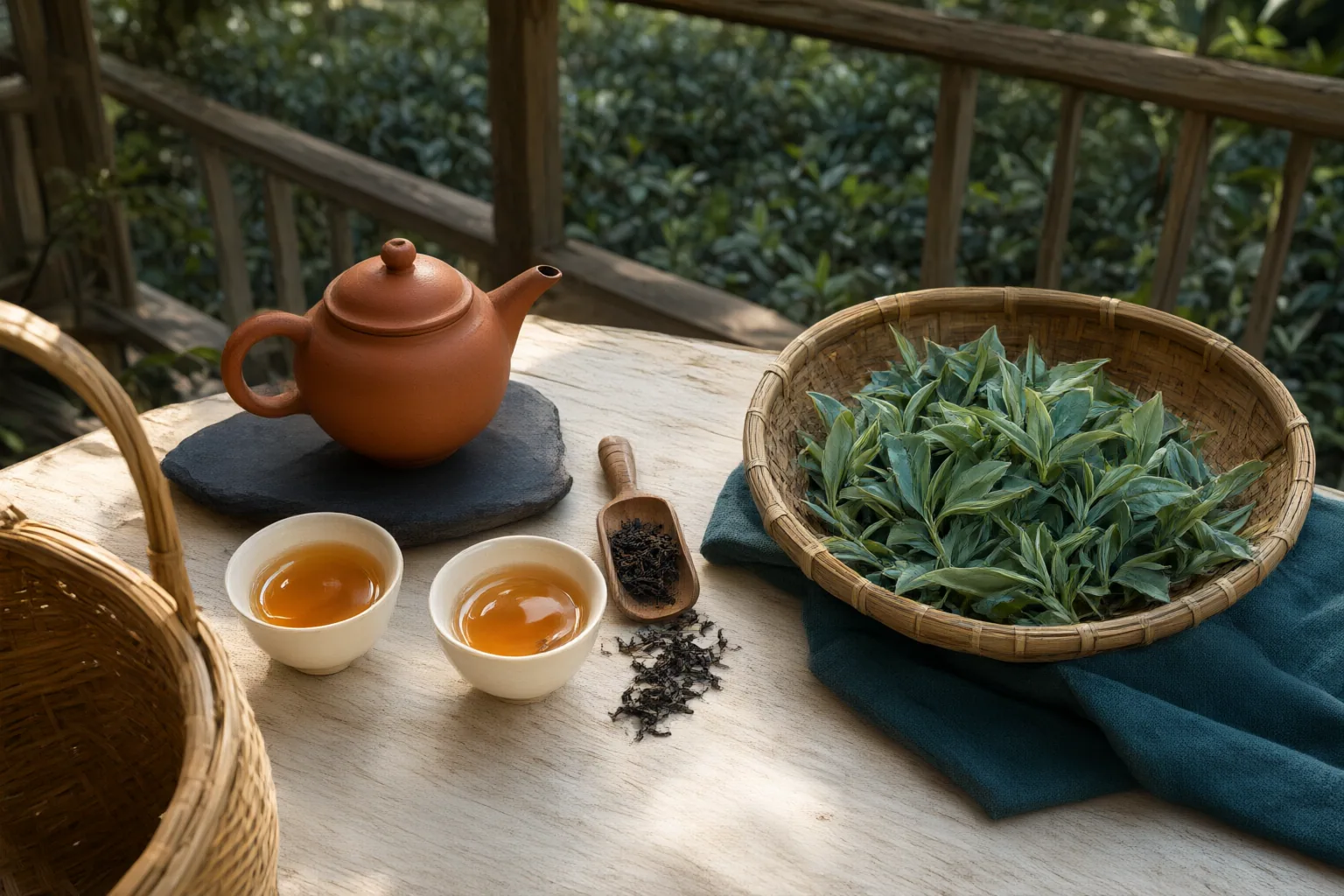
Tea style provides another useful comparison. The cited choices include green, black, oolong, lotus-scented, and jasmine-scented teas. Green tea is heated after picking to limit oxidation, black tea undergoes more complete oxidation, and oolong is partially oxidized. Comparing these processing approaches can make a tasting more informative than simply choosing a familiar name. Scented teas add another question: ask whether flowers or other flavoring were used. No region or style is inherently the best choice; the stronger match depends on whether the traveler values a particular flavor category, processing lesson, landscape, or broader agricultural setting.
Questions to Ask Before Choosing
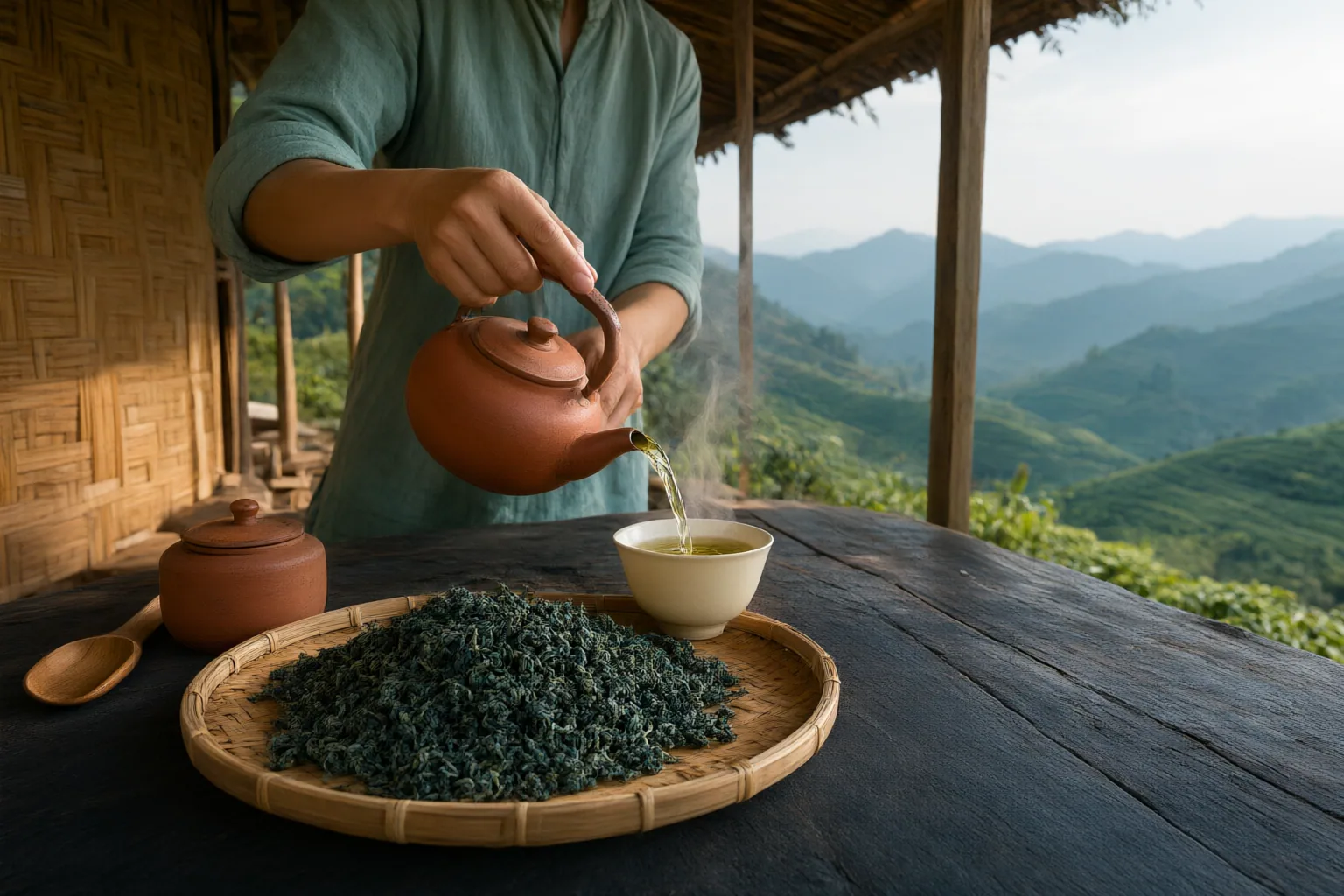
A tea name or promotional description may not reveal precise origin, age, processing method, or scenting method. For a tasting, ask who produced each tea, where it was grown, when it was processed, which processing approach was used, whether flowers or flavoring were added, and how the host recommends brewing it. These questions create a clearer basis for comparing both tastings and purchases without relying on marketing language alone.
For a farm or producer visit, request a specific description of what is included. Useful questions include:
- Will visitors enter a garden, processing area, tasting room, or more than one of these spaces?
- Are cultivation, harvesting, processing stages, a tasting, or interaction with growers currently available?
- Will a host be present, and what language support or interpretation is offered?
- Is production expected to be active during the visit?
- Are advance booking or access confirmation required?
- Do agricultural or machinery areas have safety, hygiene, or photography restrictions?
Conditions can change with the season, weather, work schedules, and host availability. Production activity is not constant, and rural visitor access may vary. A detailed advance confirmation therefore matters more than a broad promise of a “plantation tour.” The supplied research does not establish a single best season and includes no current prices, ratings, review totals, or comparable bookable-tour records, so those details should be checked directly rather than inferred.
Conclusion
The most useful comparison begins with four choices: visit format, region, tea style, and desired cultural depth. Select a tasting for concentrated flavor comparison, a landscape stop for scenery, or a working garden or processing visit for agricultural and production context. Use Thai Nguyen, Moc Chau, and Lam Dong as distinct regional starting points, then evaluate the specific host rather than assuming every venue offers the same access or instruction.
Choose your preferred format and region, then ask the host to confirm current activities, visitor access, schedules, language support, restrictions, and booking terms before making the trip.
Disclosures and limitations
- This article was prepared with AI assistance using only the cited commercial and editorial source material; current access, activities, schedules, restrictions, and booking terms should be verified directly with hosts.
- No product, price, rating, review-count, or bookable-tour records were supplied, and no affiliate booking relationship is represented in this comparison.
Related reading
- Travel Ideas for Meaningful Trips
- Đồng Nai Weekend Trip Planning: A Practical Guide for Families and Independent Travelers
- How to Visit a Working Salt Field in Vietnam Respectfully
Sources
- North Vietnam Tea: Regions, Tasting and Buying Guide | Hai Phong Tours — Hai Phong Tours
- Vietnamese Tea: A Comprehensive Guide to its History, Varieties, and Culture – Genuine Vietnamese Products — Genuine Vietnamese Products
- Vietnam Tea Travel Guide: Regions, Plantations & Trips – Steeped Travels — Steeped Travels
- Vietnamese Tea Culture: More Than Just a Drink — Tầm Vóc Việt
- Vietnam Tea Farm Visits for Buyers: Where… | VALO Vietnam — VALO Vietnam
- Vietnam Tea Plantation Tours: Best Tea Regions & Harvest Guide — Pickyourtrail Travel Blog