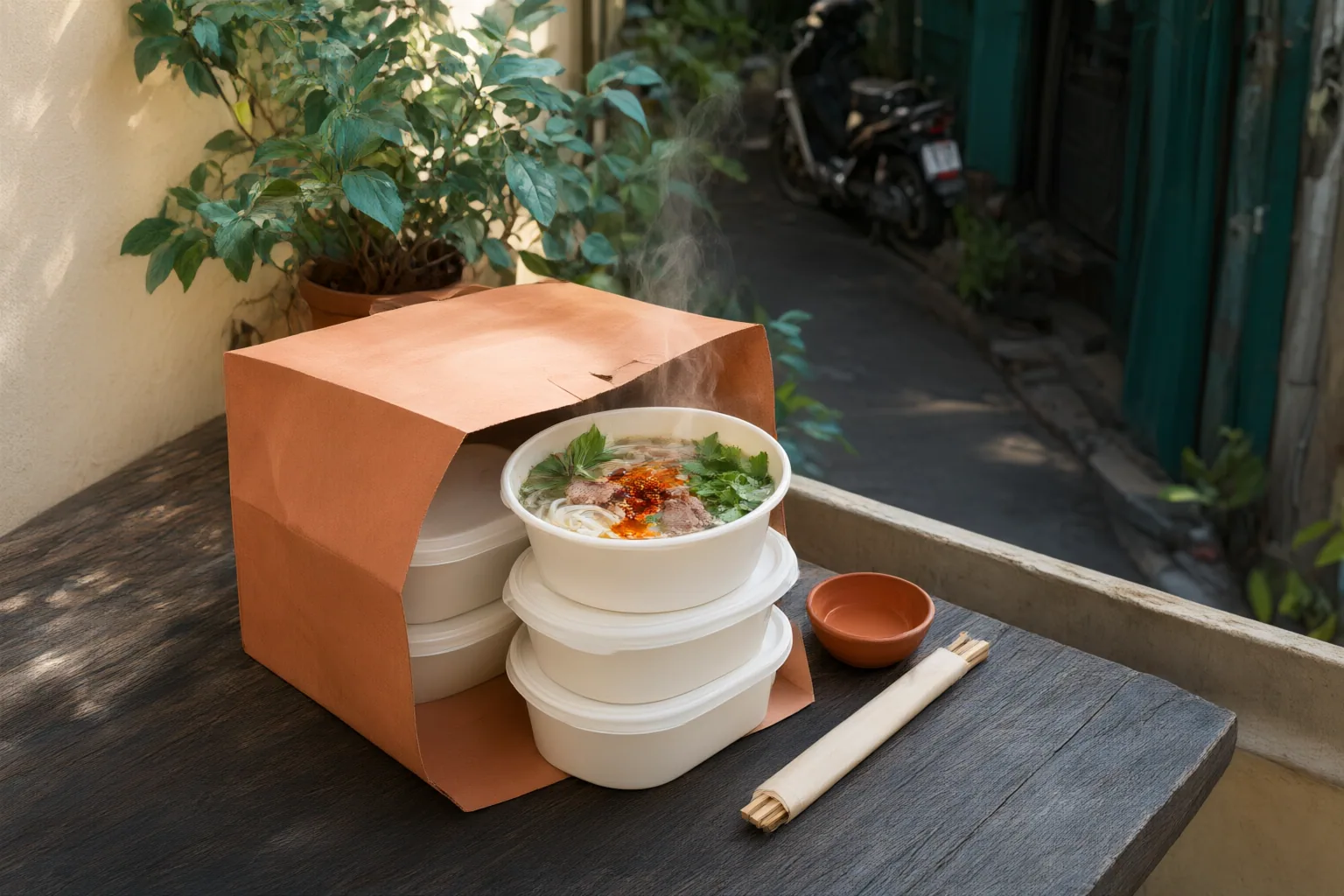
When receiving food delivery in Vietnam, focus on what you can assess: timing, temperature, packaging condition, hygiene signals, and any available handling or traceability information. These checks cannot prove that an individual meal is safe, but they can help travelers and families identify uncertainties before eating. The guidance below applies broader food-logistics and Vietnam food-distribution principles; the available sources do not evaluate particular delivery platforms, fees, payment methods, or service areas.
What to Check When Food Arrives
Start with a brief, consistent review before accepting or eating a delivery:
- Consider how long the food appears to have been in transit and whether its arrival was timely.
- Check whether food expected to be chilled, warm, or otherwise temperature-managed arrives in a condition consistent with that expectation. The cited logistics research identifies temperature control and timely movement as important to the quality of fresh and perishable goods, but it does not establish consumer temperature limits for individual meals.
- Inspect the container and outer packaging for visible damage, leakage, or other conditions that make the handling unclear.
- Look for available seller, product, or handling information that could help trace where the food came from or how it was managed.
- If anything appears uncertain, ask the seller for clarification before consuming the food.
These are screening steps, not a guarantee of safety. Vietnam-focused materials treat hygiene, food-safety management, infrastructure, certification, and traceability as connected parts of the broader distribution system. A meal’s appearance alone cannot confirm how every stage was managed.
Temperature and Timing for Perishable Food
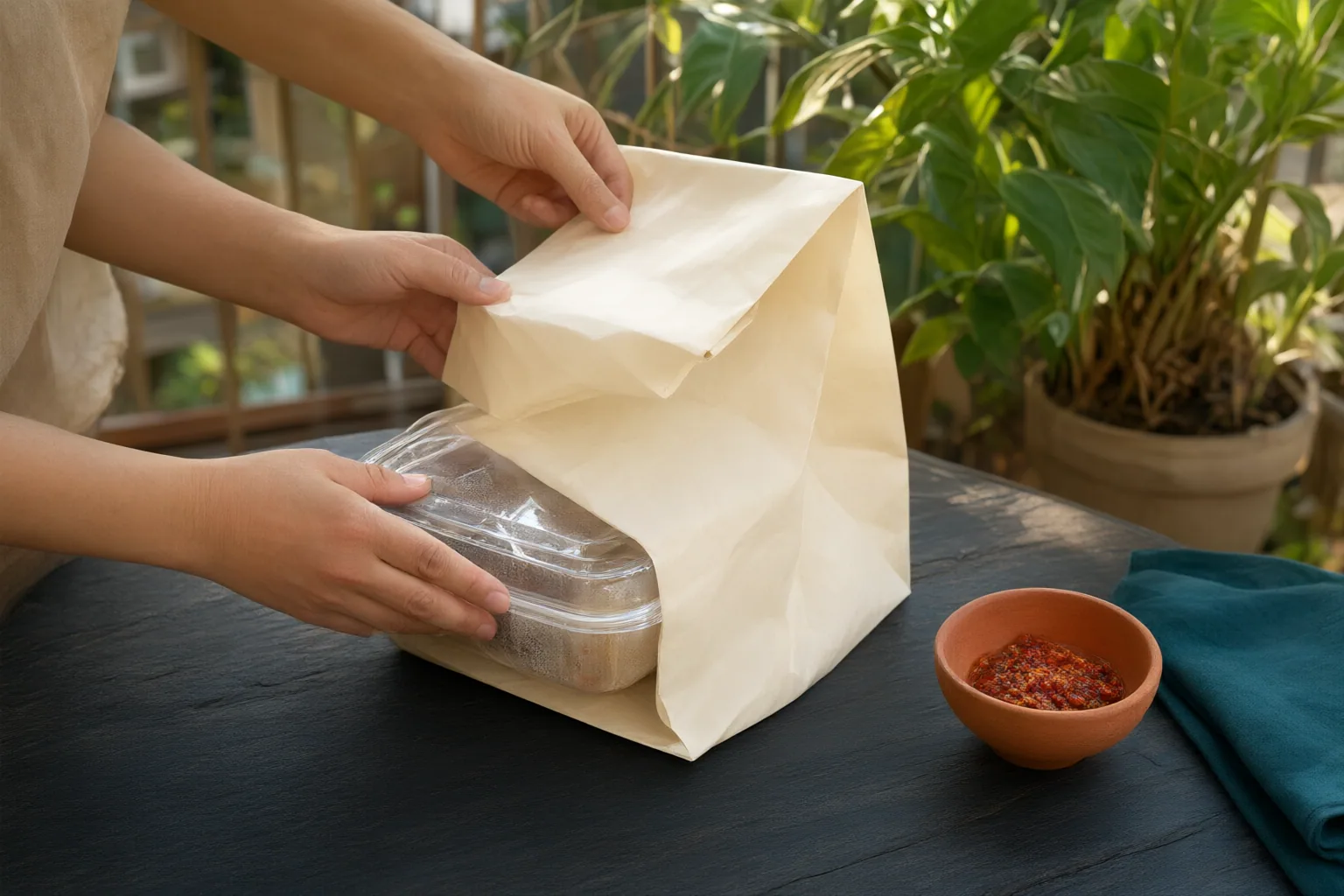
Perishable food depends on more than the final trip to your accommodation. The logistics source describes a chain that can include refrigerated warehousing, temperature-controlled transport, customs clearance, last-mile delivery, and digital supply-chain visibility. It also connects growing demand for fresh and perishable goods with the importance of controlled storage, real-time tracking, product quality, and timely delivery.
For travelers and families, this supports a cautious arrival check. Compare the food’s condition with what you reasonably expected when ordering: was it delivered promptly, and does its temperature raise questions about handling? If tracking information is available, it may provide useful context about timing, but the source does not establish that tracking alone verifies safe handling.
Avoid treating a single favorable sign as conclusive. A quick arrival does not document earlier storage, while appropriate-feeling temperature at the door does not reveal the full supply chain. When a perishable delivery’s timing or temperature seems inconsistent or cannot be explained, seek clarification from the seller before deciding whether to eat it.
Hygiene, Safety Assurances, and Traceability
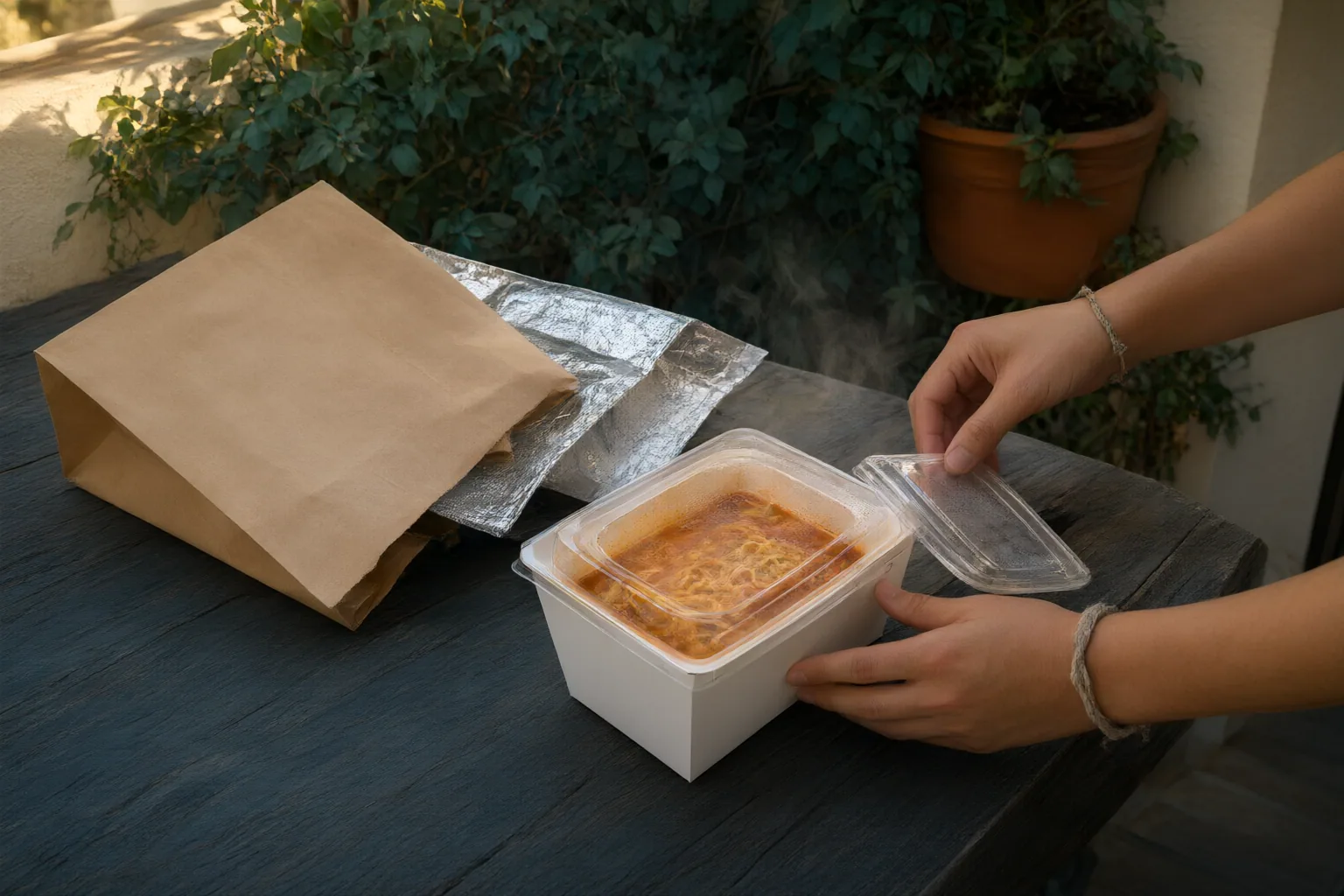
Vietnam-focused sources show why food-safety assurances can involve several layers. SAFEGRO material concerning Binh Dien wholesale market in Ho Chi Minh City calls for assessment of food-safety management systems, market layout and infrastructure, hygiene conditions, and emerging trends. Separately, InCorp Vietnam says food and beverage importers must comply with Vietnamese food-safety regulations and describes supporting materials that may include certificates related to safety, hygiene, manufacturing practices, analysis, and conformity.
These sources concern broader distribution and import compliance, not the safety record of a particular delivered meal. They nevertheless suggest useful questions when information is unclear:
- Can the seller identify the food or business responsible for preparing it?
- Is any handling, origin, analysis, conformity, or certification information available when relevant?
- Can the seller explain how a perishable item was stored and transported?
- Does the packaging provide enough information to follow up about a problem?
Documentation can add context, but no document mentioned by the sources guarantees the condition of an individual delivery. Consider the available information alongside timing, temperature, packaging condition, and the seller’s explanation rather than using it as a substitute for those checks.
Conclusion
Use a simple sequence when food arrives. First, review delivery timing and the apparent temperature of perishable items. Next, inspect containers and packaging for visible problems or unexplained conditions. Then consider whether the seller provides useful hygiene, handling, origin, or traceability information. If the different signals do not align, ask for clarification rather than assuming that appearance, speed, tracking, or paperwork proves the meal is safe.
This checklist reflects general logistics and food-distribution evidence, not an assessment of any consumer delivery platform in Vietnam. The supplied sources do not document platform procedures, prices, coverage, payment options, or traveler-specific services, so those topics cannot be reliably compared here. Before accepting and eating a delivery, check its arrival time, temperature, and packaging condition, and ask the seller about handling or traceability whenever something remains unclear.
Disclosures and limitations
- This article was prepared with AI assistance from the supplied research package and was limited to the cited logistics and Vietnam food-distribution sources.
- No specific delivery service or product is recommended, and no affiliate relationship is represented.
Related reading
- Food & Drink Guides for Curious Travelers
- How to Identify Vegetarian Dishes in Vietnam Beyond the Menu Label
- How to Navigate Vietnam’s Fermented Foods: Ingredients, Serving Roles, and Aromas
Sources
- Opportunities – safegroproject.com — safegroproject.com
- Product Registration Services for Importing to Vietnam — InCorp Vietnam
- Food Logistics Market Size, Share, Growth & Forecast 2034 — imarcgroup.com